Week 9 - Space + Art
This week, we looked at how space and art connect. The quote from Benoit Mandelbrot about how clouds aren’t perfect spheres, or mountains aren’t perfect cones, reminds us that nature is full of surprises and details. In the same way, art and science both help us see the world in new ways.
One of the most interesting things we watched was the Powers of Ten film and website. It shows what happens when you zoom way out into space and then zoom way in to see the tiny things around us. This helps us understand how big or small things really are, and it’s a great example of how art can help us see science in a different light.
We also read about projects like Makrolab, led by artist Marko Peljhan, where artists and scientists work together in special places to create new kinds of art. These projects show how art and science can mix to make something exciting and new.

Other readings, like Arctic Perspectives and articles from Leonardo Space Arts, talk about how artists use really tough or unusual places, like the Arctic or even space, to get new ideas. For example, the Arctic Perspectives project looks at shapes and surfaces that are hard to imagine, which helps artists think outside the box.
NASA’s Art Program is another great example. NASA invites artists to help explain what space exploration is all about. The artists make pictures, sculptures, and other works that help everyone understand and feel the wonder of space.
Watching videos like Carl Sagan’s Pale Blue Dot made me think about how small and special Earth is in the huge universe. It’s a reminder that art can help us feel connected to space, even if we never go there.
In the end, this week showed me that space and art are not as different as they seem. Both help us explore and understand the world in creative ways. By working together, artists and scientists can help everyone see the universe in a new and exciting way.
Resources
- Victoria, Vesna. Space + Art Lectures. 2025
- NASA. “NASA Images.” NASA, 12 May 2025, www.nasa.gov/images/.
- Peljhan, Marko. “Marko Peljhan.” Framer Framed, 8 Sept. 2020, framerframed.nl/en/mensen/marko-peljhan/.
- Peljhan, Marko. “Here we go again… SYSTEM 317.” e-flux Announcements, 15 Mar. 2019, www.e-flux.com/announcements/230435/marko-peljhanhere-we-go-again-system-317/.
- Leonardo Space Art Working Group. “Space Art Project.” Leonardo, leonardo.info/spaceart/spaceartproject.html.


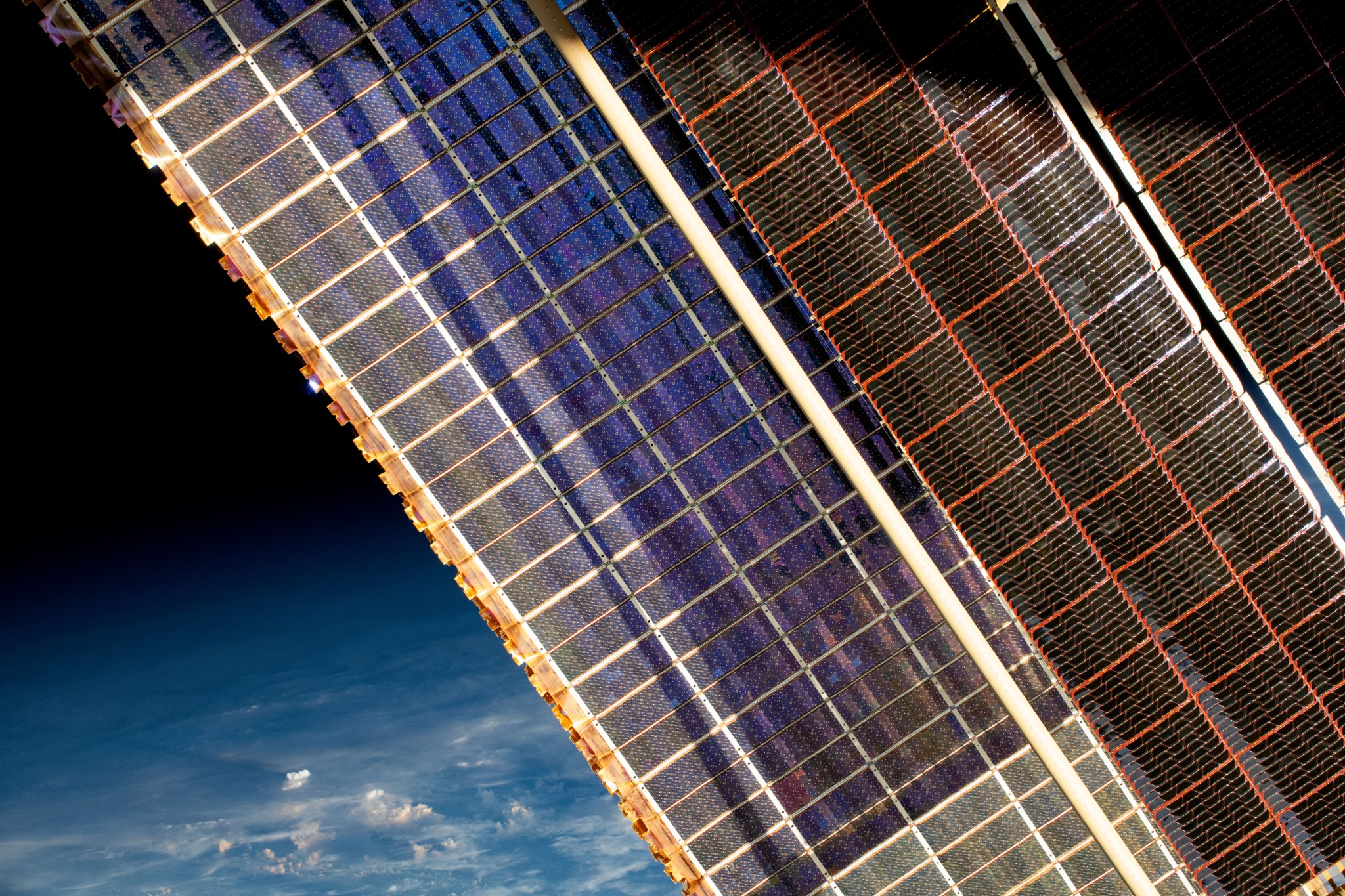
Hello Francesca, I really enjoyed reading your blog! You did a great job connecting the artistic and scientific elements from this week. I especially liked how you highlighted Benoit Mandelbrot’s quote, such a simple reminder that nature’s complexity doesn’t always fit into perfect shapes. Your reflections on the Powers of Ten film were spot-on; it really does shift how we think about scale and our place in the universe. Also, your mention of Makrolab and Arctic Perspectives shows how powerful it can be when artists work in extreme or unfamiliar environments, it pushes boundaries and opens new ways of thinking. I thought your description of the solar arrays was also really vivid and tied beautifully into the visual themes of the week. Great work tying everything together!
ReplyDeleteHello Francesca, I enjoyed reading your post about the interconnection of space and art in through weeks material. I liked your example of Nasa’s art and how they invite artists to help with the exploration with space because their insight is very helpful to picture an image. Overall, i think you did good with including readings and other companies like Nasa to your blog.
ReplyDeleteYour post really captured the beauty of how art and science come together! I especially liked how you connected Mandelbrot’s quote to the idea that nature—and space—is full of imperfect and amazing details. The Powers of Ten example was such a powerful way to visualize scale, and I agree that it shows how art can make science easier to understand and more inspiring. I also found the Arctic and NASA projects fascinating—it’s incredible how artists use extreme places to create new ideas. Great job explaining how both fields work together to help us see the universe in new ways!
ReplyDelete