Week 6 - BioTech + Art
In a world where science and art increasingly overlap, biotechnology has emerged as a powerful tool and canvas for creative expression. Artists like Eduardo Kac have pushed boundaries, blending human DNA with plant life to create living, hybrid artworks such as the Edunia, a petunia whose veins express Kac’s own blood-derived genes. These bio-art projects invite us to question the limits of biology and the ethics of genetic modification, while also celebrating the beauty that can arise from scientific innovation.
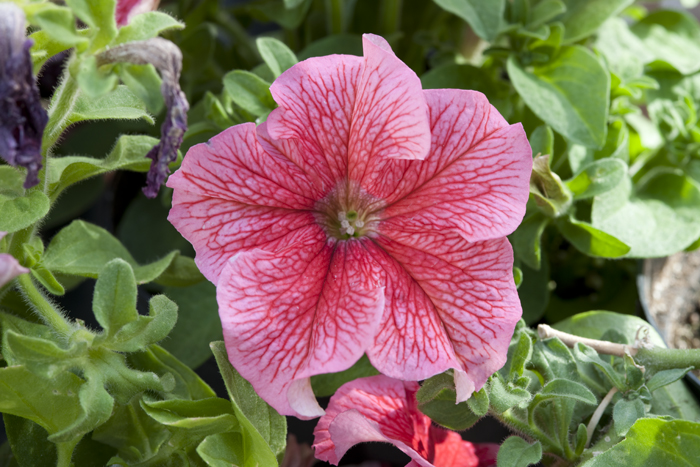
Genetically modified organisms (GMOs) are not just the domain of artists. The creation of blue roses by Suntory, achieved by inserting genes from pansies to produce the rare blue pigment, demonstrates how biotechnology can alter nature for aesthetic and commercial purposes. These advancements are not without controversy. The public remains deeply divided over the safety and ethics of GM foods, with concerns about long-term health effects and ecological consequences.
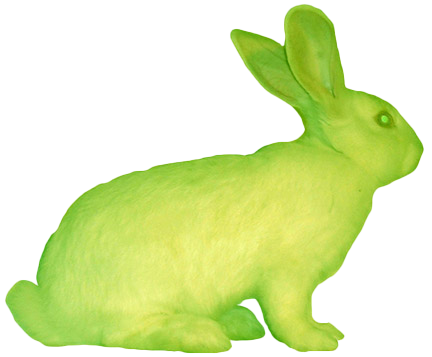
Despite these fears, biotechnology offers plenty of benefits, from increasing food production on limited arable land to enabling medical breakthroughs like the Oncomouse, a genetically modified animal used in cancer research. The challenge lies in balancing innovation with caution, ensuring that public awareness and ethical oversight keep pace with scientific progress.
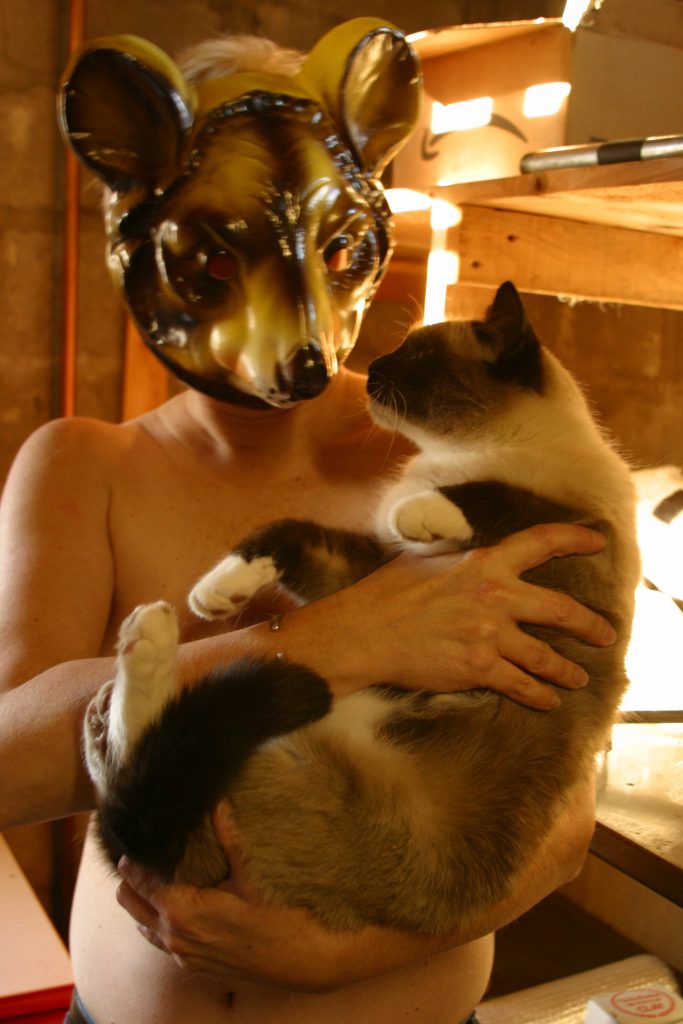
Artists and scientists alike play a crucial role in this dialogue. By making complex scientific concepts visually compelling and emotionally resonant, bio-art can bridge the gap between the lab and the public, fostering a more informed and nuanced conversation about the future of food, life, and technology.
Resources
- Kac, Eduardo. Edunia. Weissman Art Museum, Minneapolis, 17 Apr. – 21 June 2009.
- Gubser, G., et al. “Food Ingredients and Food Made with Plant Cell and Tissue Cultures: State‐of‐the Art and Future Trends.” Engineering in Life Sciences, vol. 21, no. 2, 2021,
- Adenle, Ademola A. “Response to Issues on GM Agriculture in Africa: Are Transgenic Crops Safe?” BMC Research Notes, vol. 4, 2011, pp. 2–7.
- Hefferon, Kathleen L. “Nutritionally Enhanced Food Crops; Progress and Perspectives.” International Journal of Molecular Sciences, vol. 16, no. 2, 2015.
- Haroon, F., and M. Ghazanfar. “Applications of Food Biotechnology.” Journal of Ecosystem & Ecography, vol. 6, no. 2, 2016.


I found your post very interesting! I totally agree with you- bio-art can bridge the gap between the lab and the public. The conversation about the future of food, life, and technology is such a packed subject, and art can almost bridge the gaps between. The flower you inserted in the beginning is so beautiful. It is truly amazing how technology can create art, life, and food. I find the nature created so beautiful; however, the food frightens me. Do the flowers, food, and organisms created have the same nutrients and life expectancy as normal non-GMO things? I have so many questions!
ReplyDeleteThis was a really cool blog post! I liked how you brought up the petunia with Kac's DNA. This makes me think about how we define biological relationships between living organisms. If a plant obtains our DNA and is able to continue to live with this DNA, how do the person and the plant become related?
ReplyDeleteYour post offers a fascinating look at how biotechnology blurs the line between science and art. I found the example of Eduardo Kac’s Edunia especially powerful,using human genes to alter a flower challenges our understanding of nature and identity. It’s interesting how art can take something as technical as genetic engineering and make it emotionally impactful.
ReplyDeleteYou also made a great point about how companies like Suntory use biotech for aesthetic and commercial gains, like creating blue roses. It shows how genetic modification goes far beyond science labs—into everyday life. Still, I agree with your reminder that this comes with ethical and ecological questions we can’t ignore. Overall, your post shows how both artists and scientists help society engage with these innovations thoughtfully. Bio-art really does have the power to open up new conversations about what it means to change life itself.