Week 3 - Robotics + Art

Industrialization and Authenticity in Robots (2005)
Walter Benjamin’s The Work of Art in the Age of Mechanical Reproduction (1935) argues that industrialization diminishes the “aura” of originality in art, transforming unique works into mass-produced commodities. This tension between authenticity and mechanization extends beyond art into societal structures, as seen in the animated film Robots (2005). The movie critiques industrialization’s impact on class divides, mirroring Benjamin’s concerns about technology eroding human agency.
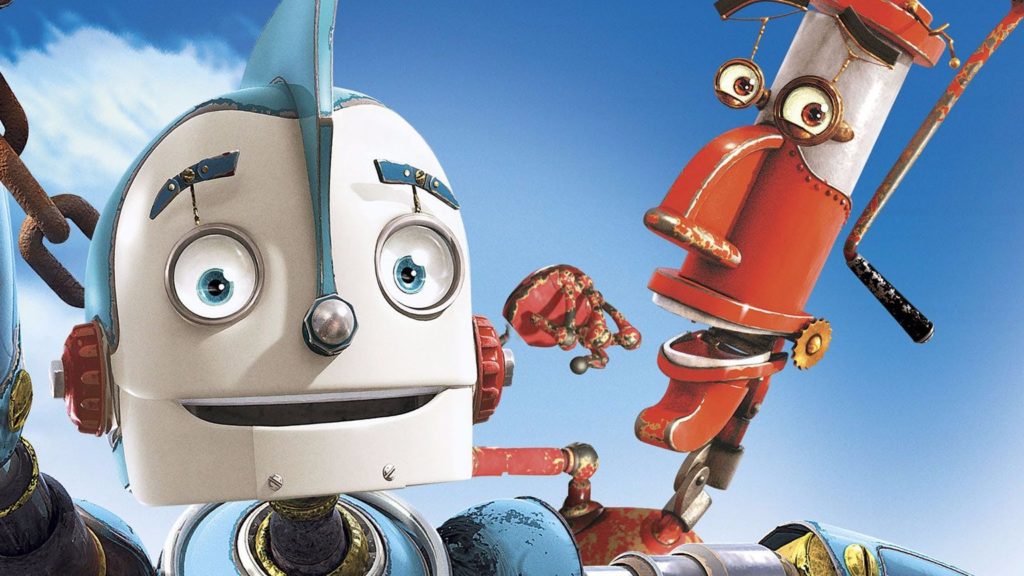
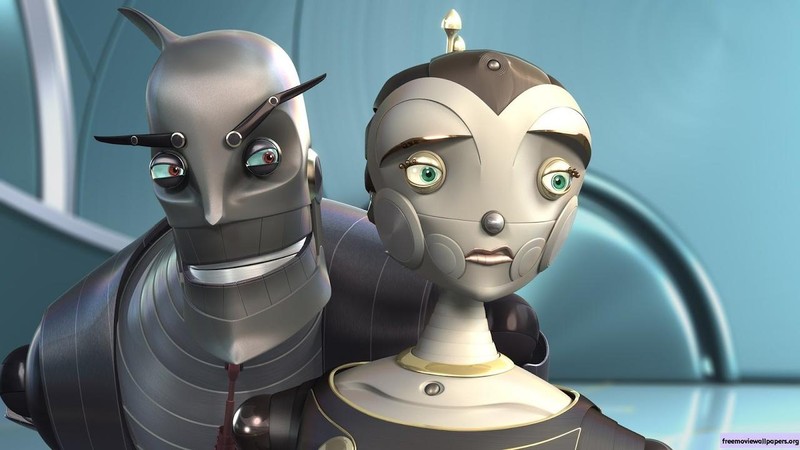
In Robots, the protagonist Rodney, an idealistic inventor, confronts a corporate regime that prioritizes profit over accessibility. The villain, Ratchet, monopolizes “upgrades”, industrialized body parts, to exploit lower-class robots who cannot afford them. This reflects Benjamin’s warning that mechanical reproduction risks privileging elites who control technology. The film’s dystopian Robot City, dominated by gleaming skyscrapers and disposable consumerism, visualizes how industrialization alienates marginalized groups, reducing individuality to interchangeable parts.
Benjamin argues that mechanical reproduction shifts art’s purpose from ritualistic to political. Similarly, Robots frames industrialization as a political battleground: Rodney’s grassroots movement restores communal access to repairs, rejecting Ratchet’s gentrification. The film’s resolution is celebrating collaboration over corporate greed which perfectly parallels Benjamin’s hope that technology could democratize creativity rather than commodify it.
AI-generated art and robotic automation continue to provoke debates about authorship and labor. Like Robots, these technologies risk concentrating power among tech elites while marginalizing the human workers. Benjamin’s “aura” now applies to human dignity in an age of complete AI replication.
Ultimately, Robots and Benjamin both caution against unchecked industrialization. While technology holds potential for collective progress, its misuse entrenches inequality which is a lesson as vital in 2005 as during the Weimar Republic.
Sources:
- Benjamin, Walter. “The Work of Art in the Age of Mechanical Reproduction.” 1936. Illuminations, translated by Harry Zohn, Schocken Books, 1968.
- Davis, Douglas. “The Work of Art in the Age of Digital Reproduction (An Evolving Thesis: 1991-1995).” Leonardo, vol. 28, no. 5, 1995, pp. 381–386. JSTOR
- Robots. Directed by Chris Wedge, performances by Ewan McGregor, Robin Williams, and Halle Berry, 20th Century Fox, 2005.
- “WEEK 3 Blogs Industrialization / Robotics.” DESMA 9: Art, Science and Technology, UCLA, 2025.
- “Robotics and AI by Shanpeng Li.” DESMA 9: Art, Science and Technology, UCLA, 2025.


I really liked how you connected Robots to Benjamin’s idea of “aura.” The whole upgrade system in the movie is such a good example of how tech can create class divides, I hadn’t thought of it that way before. The part about shifting from ritual to politics also stood out to me. Rodney’s movement really does feel like a push to use tech for good, not just profit. And your point about AI and authorship is super relevant now, it’s wild how much that movie still reflects today’s issues. (Im so glad you picked this movie it was my childhood haha)
ReplyDelete